







The Confidence Paradox: Why AI Chatbots Are Modern-Day Dunning-Kruger Machines
AI chatbots consistently exhibit the Dunning-Kruger effect, presenting information with unwavering confidence regardless of accuracy. This cognitive bias hardwired into large language models poses serious risks across professional domains from law to healthcare, where algorithmic overconfidence could lead to dangerous decisions based on plausible-sounding but false information.
AI’s Entry-Level Arsenal: How Novice Tools Supercharge Marketing Precision
Accessible AI tools like ChatGPT, Grammarly, and InVideo are empowering beginner marketers to produce pro-level content swiftly, cutting costs and boosting engagement in 2026's competitive digital arena.
Anthropic’s Strategic Gambit: How Agentic Plugins Are Reshaping Enterprise AI Collaboration
Anthropic's introduction of agentic plugins to CoWork marks a strategic shift in enterprise AI, enabling Claude to autonomously execute multi-step workflows across platforms. This move positions the company distinctively against competitors while raising important questions about workplace automation and organizational change.
Tesla’s Ticking Clock: Why One Market Veteran Predicts a 90% Stock Plunge
A detailed analysis of the increasingly vocal bear case against Tesla. Market veterans predict a catastrophic stock collapse, citing stalled growth, intense competition, and a valuation detached from its reality as a car manufacturer, setting the stage for a dramatic showdown with Elon Musk's AI-driven vision.
The False Promise of Data Sovereignty: Why Software Integrity Matters More Than Geographic Borders
Data sovereignty has dominated cybersecurity strategy for years, but experts now question whether geographic data controls offer real protection. As supply chain attacks proliferate, the focus must shift to software integrity—the actual foundation of modern security.
When AI Chatbots Mirror Mental Illness: How Claude’s Responses Are Triggering Psychosis Concerns Among Researchers
New research reveals Anthropic's Claude chatbot produces responses mirroring psychosis symptoms and disempowerment, raising urgent concerns about AI's psychological impact on vulnerable users. The findings challenge assumptions about AI safety and highlight gaps in current protective measures.
The Quiet Demise of ChromeOS: How Google’s Court Filings Reveal a Strategic Pivot Away from Its Once-Promising Operating System
Court filings reveal Google is planning for a future without ChromeOS as a standalone platform, marking a strategic shift toward Android that could reshape educational technology markets and leave millions of Chromebook users facing an uncertain transition period.
Inside the Hidden Profession Ensuring Musicians Get Paid in the Streaming Age
Specialized royalty accountants navigate vast streaming data and complex payment schedules to ensure musicians receive accurate compensation. With Christmas songs generating summer paychecks and streaming platforms producing millions of data lines, these behind-the-scenes professionals have become essential guardians of artist revenue in the modern music industry.
Google Unveils Personal Intelligence AI Mode for Personalized Search
Google unveiled Personal Intelligence for AI Mode in Search on January 22, 2026, integrating Gmail and Photos for hyper-personalized results in planning, shopping, and more. Available to AI Pro/Ultra subscribers via opt-in, it leverages Gemini AI while addressing privacy through on-device processing. This innovation could reshape search but raises data security concerns.
Archives
Categories
Search NexaPress

Inside Huawei Cloud’s Bold 2026 Partner Strategy: How Data Centers Become the Cornerstone of AI Infrastructure Expansion
Huawei Cloud's 2026 partner strategy positions data centers as strategic allies in AI infrastructure expansion, offering unprecedented revenue-sharing models and technical integration. The approach targets emerging markets with generous incentives while navigating geopolitical constraints and semiconductor restrictions.
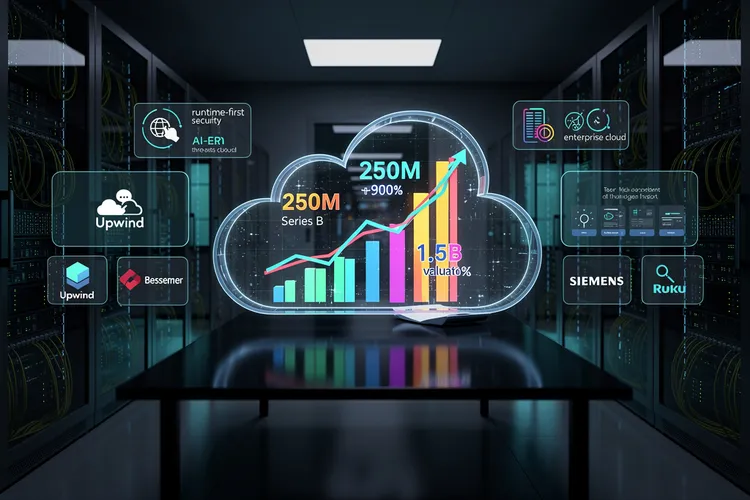
Upwind’s Runtime Revolution: $250M Fuels $1.5B Cloud Security Unicorn
Upwind's $250 million Series B catapults it to $1.5 billion valuation, powering runtime-first cloud security amid 900% revenue surge. Backed by Bessemer and all-stars, the ex-Spot.io team targets AI-era threats for giants like Siemens and Roku.
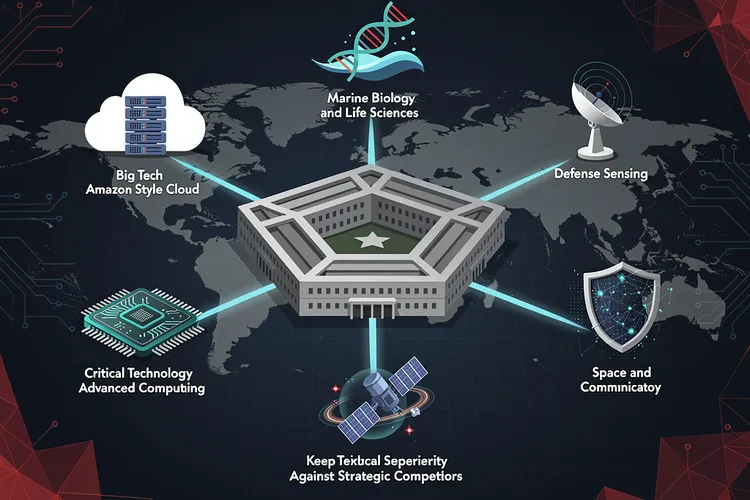
Pentagon’s New Technology Chiefs Signal Major Shift in Defense Innovation Strategy
The Pentagon's Chief Technology Officer has selected six defense technology veterans with diverse backgrounds—from Amazon executives to marine biologists—to lead Critical Technology Areas, signaling a major shift in how the Defense Department approaches innovation and maintains technological superiority against strategic competitors.

TikTok Finalizes US Restructuring Deal with Oracle, Avoids Ban
TikTok has finalized a deal to restructure its U.S. operations into a new entity majority-owned by American and allied investors, including Oracle, Silver Lake, and MGX, with ByteDance retaining a 20% stake. This hybrid model addresses data security concerns, avoids a nationwide ban, and sets a precedent for global tech sovereignty.

Finland Recruits Burned-Out US AI and Tech Talent with Visas, Better Balance
Finland is actively recruiting disillusioned U.S. tech professionals in AI and software by offering superior work-life balance, fast-track visas, and a high quality of life, aiming to attract talent by 2026 amid American burnout. This strategy challenges global tech dynamics, positioning Finland as an innovative haven.

AI Answers Demand New Rules: Why Google SEO Fails ChatGPT Citations
Mike King reveals why Google SEO tactics fail AI engines like ChatGPT, from query fan-out to HTTP 499 timeouts and chunking boosts. Case studies show 661% visibility gains via GEO.

India’s AI Classroom Revolution: Google’s Gemini Scales Where Silicon Valley Stumbles
India leads global Gemini usage for learning, teaching Google to scale AI amid 247 million students, state curricula, and access gaps. Partnerships and tools like JEE mocks position it as a worldwide proving ground.

Inside Elon Musk’s Audacious Plan to Fuse Rockets and AI: The SpaceX-xAI Megamerger
Elon Musk is merging SpaceX and xAI in a deal combining an $800 billion rocket manufacturer with a $230 billion AI startup, advancing his vision of space-based data centers while consolidating his technological empire ahead of a planned summer IPO.

DeepSeek’s Bold Push: AI Search and Agents Challenge Google, OpenAI
DeepSeek's January job postings reveal plans for a multilingual, multimodal AI search engine and persistent agents, intensifying rivalry with Google and OpenAI. Building on cost-efficient models like R1, the startup targets phone-first queries and autonomous task execution.

Dell Faces Federal Lawsuit Over Alleged 401(k) Mismanagement as Former Employees Claim Fiduciary Breaches
Former Dell employees have filed a federal lawsuit alleging systematic mismanagement of the company's 401(k) retirement plan, claiming fiduciary breaches under ERISA. The case raises critical questions about corporate responsibility for employee retirement security and could affect thousands of workers.
Cross-Continental AI Partnership Revolutionizes Drug Discovery Through Machine Learning Framework
Researchers from Ohio State University and IIT Madras have developed an AI framework that accelerates drug discovery through advanced machine learning, offering pharmaceutical companies a powerful tool to reduce development time and costs while improving compound selection quality.
LLMs Fail Biomedical Code Test: New Agent Hits 74% Accuracy
A Nature Biomedical Engineering benchmark shows LLMs under 40% accurate on 293 biomedical coding tasks, but a new iterative AI agent reaches 74% by refining plans first. A collaborative platform lets researchers complete 80% of real study code.
Argentina’s $250 Billion Underground Economy: How Milei Is Coaxing Dollars From Teddy Bears and Toilet Tanks
President Javier Milei faces a unique challenge in reviving Argentina's economy: convincing citizens to stop hiding an estimated $250 billion in cash stashed in everything from teddy bears to backyards. This underground economy, built on decades of financial trauma, now holds the key to Milei's free-market transformation.
The Digital Signature Security Arms Race: How Enterprise E-Signature Platforms Are Fortifying Against 2026’s Cyber Threats
Electronic signature platforms have evolved into critical cybersecurity infrastructure as organizations face sophisticated threats targeting document workflows. With the market projected to reach $42.4 billion by 2030, industry leaders are implementing military-grade encryption, blockchain verification, and AI-powered fraud detection to protect trillions in annual transactions.
Amazon’s AI Agent Bind: Block Rivals or Build Bridges?
Amazon grapples with blocking AI shopping agents or partnering amid lawsuits against Perplexity and tools like Rufus. Rivals OpenAI and Shopify advance agentic commerce, projected at $1T by 2030, forcing strategic shifts detailed in recent reports.
AI Agents Turn Product Shots into Viral Ad Machines
AI video agents like Topview transform product images into viral marketing clips in minutes, slashing costs and rivaling production teams. Trained on millions of ads, they replicate hooks and enable massive scaling for e-commerce brands.
Subscribe Newsletter
Subscribe to our newsletter and stay up to date with the latest news, updates, and exclusive offers. Join our community today!
Authors
More ...-
 Vivian Stewart 57 articles
As a writer, Vivian Stewart covers retail operations with an eye for detail. They work through comparative reviews and hands‑on testing to make complex topics approachable. They believe good analysis should be specific, testable, and useful to practitioners. They frequently translate research into action for marketing teams, prioritizing clarity over buzzwords. Their coverage includes guidance for teams under resource or time constraints. They explore how policies, markets, and infrastructure intersect to create second‑order effects. They write about both the promise and the cost of transformation, including risks that are easy to overlook. They frequently compare approaches across industries to surface patterns that travel well. Readers appreciate their ability to connect strategic goals with everyday workflows. Their reporting blends qualitative insight with data, highlighting what actually changes decision‑making. They maintain a balanced tone, separating speculation from evidence. They are known for dissecting tools and strategies that improve execution without adding complexity. They emphasize decision‑making under uncertainty and imperfect data. Their work aims to be useful first, timely second.
-
 Emily Scott 68 articles
As a writer, Emily Scott covers consumer behavior with an eye for detail. They work through clear frameworks, case studies, and practical checklists to make complex topics approachable. They value transparent sourcing and prefer primary data when it is available. A recurring theme in their writing is how teams build repeatable systems and measure impact over time. They often cover how organizations respond to change, from process redesign to technology adoption. Their reporting blends qualitative insight with data, highlighting what actually changes decision‑making. They emphasize responsible innovation and the constraints teams face when scaling products or services. They maintain a balanced tone, separating speculation from evidence. Their coverage includes guidance for teams under resource or time constraints. Readers appreciate their ability to connect strategic goals with everyday workflows. They write about both the promise and the cost of transformation, including risks that are easy to overlook. They tend to favor small experiments over sweeping predictions. They value transparency, practical advice, and honest uncertainty.
-
 Emily Chen 63 articles
Known for clear analysis, Emily Chen follows retail operations and the people building it. They work through clear frameworks, case studies, and practical checklists to make complex topics approachable. They often cover how organizations respond to change, from process redesign to technology adoption. Readers appreciate their ability to connect strategic goals with everyday workflows. They examine how customer expectations evolve and how organizations adapt to meet them. They value transparent sourcing and prefer primary data when it is available. A recurring theme in their writing is how teams build repeatable systems and measure impact over time. They also highlight cultural factors that determine whether change sticks. They avoid buzzwords, focusing instead on outcomes, incentives, and the human side of technology. They explore how policies, markets, and infrastructure intersect to create second‑order effects. They believe good analysis should be specific, testable, and useful to practitioners. They tend to favor small experiments over sweeping predictions. They value transparency, practical advice, and honest uncertainty.
-
 Layla Reed 56 articles
Known for clear analysis, Layla Reed follows retail operations and the people building it. They work through long‑form narratives grounded in real‑world metrics to make complex topics approachable. They believe good analysis should be specific, testable, and useful to practitioners. They avoid buzzwords, focusing instead on outcomes, incentives, and the human side of technology. They explore how policies, markets, and infrastructure intersect to create second‑order effects. They frequently compare approaches across industries to surface patterns that travel well. They are known for dissecting tools and strategies that improve execution without adding complexity. A recurring theme in their writing is how teams build repeatable systems and measure impact over time. Their reporting blends qualitative insight with data, highlighting what actually changes decision‑making. They often cover how organizations respond to change, from process redesign to technology adoption. They maintain a balanced tone, separating speculation from evidence. Outside of publishing, they track public datasets and industry benchmarks. Readers return for the clarity, the caution, and the actionable takeaways.
-
 Stella Evans 57 articles
Stella Evans is a journalist who focuses on AI deployment. They work through trend monitoring with careful context and caveats to make complex topics approachable. They believe good analysis should be specific, testable, and useful to practitioners. They examine how customer expectations evolve and how organizations adapt to meet them. Their reporting blends qualitative insight with data, highlighting what actually changes decision‑making. Readers appreciate their ability to connect strategic goals with everyday workflows. They write about both the promise and the cost of transformation, including risks that are easy to overlook. They also highlight cultural factors that determine whether change sticks. Their coverage includes guidance for teams under resource or time constraints. Their perspective is shaped by interviews across engineering, operations, and leadership roles. They often cover how organizations respond to change, from process redesign to technology adoption. They maintain a balanced tone, separating speculation from evidence. They are interested in the economics of scale and operational resilience. They prefer evidence over hype and explain trade‑offs plainly.
-
 Micah Shaw 60 articles
Micah Shaw specializes in developer productivity and reports on the systems behind modern business. Their approach combines interviews with operators and data‑backed analysis. Their perspective is shaped by interviews across engineering, operations, and leadership roles. Readers appreciate their ability to connect strategic goals with everyday workflows. They frequently compare approaches across industries to surface patterns that travel well. Their reporting blends qualitative insight with data, highlighting what actually changes decision‑making. They maintain a balanced tone, separating speculation from evidence. Their coverage includes guidance for teams under resource or time constraints. They emphasize responsible innovation and the constraints teams face when scaling products or services. They are known for dissecting tools and strategies that improve execution without adding complexity. They look for overlooked details that differentiate sustainable success from short‑term wins. A recurring theme in their writing is how teams build repeatable systems and measure impact over time. They watch the policy landscape closely when it affects product strategy. Their work aims to be useful first, timely second.
Submit An Article
Share your perspective with confidence. Your experience could inform, inspire, and help someone live better.
HR’s AI Superagent Revolution: Reinventing the Workforce Engine
Enterprise AI Superagents ignite HR's biggest transformation in decades, automating 30-40% of jobs while birthing full-stack roles and skills-first strategies. Josh Bersin leads the charge amid bias risks and tech trends reshaping hiring, experience, and leadership.
FTC Secures $2.5B Amazon Settlement for Deceptive Prime Tactics
The FTC secured a $2.5 billion settlement with Amazon over deceptive Prime enrollments and cancellations from 2019-2025. Eligible subscribers with limited usage get automatic refunds up to $51, while others must file claims by January 2026. Beware of scams; this underscores regulatory scrutiny on tech giants.
Costco’s Netflix-Like Membership Model Drives 73% of Profits
Costco's business model mirrors Netflix's subscription-driven approach more than Walmart's traditional retail, relying on membership fees for 73% of operating income while keeping product margins low. This fosters loyalty and exclusivity, with strategies like membership crackdowns boosting revenue. Ultimately, it positions Costco for enduring success in evolving markets.
Apple’s Foldable iPhone: Inside the Technical Specifications That Could Reshape the Smartphone Market
Comprehensive technical specifications for Apple's iPhone Fold reveal an 8.3-inch foldable display, A19 Pro chip, and advanced hinge technology designed to eliminate visible creasing. The device represents Apple's ambitious entry into foldable smartphones with premium positioning.
Hyundai’s Nuclear Engineer CEO Wages $26 Billion Gamble on American Manufacturing and Robot Revolution
José Muñoz, Hyundai's first non-Korean CEO and former nuclear engineer, is leading a $26 billion American manufacturing expansion while pivoting the automaker toward robotics and AI. Despite a 22% profit decline from tariffs, the company's stock surged 80% after unveiling humanoid robots destined for Georgia factories by 2028.
Remote Work’s Hidden Edge: Why Flexibility Fuels Corporate Wins
Remote work slashes costs by $11,000 per employee, boosts productivity 13-40%, and cuts turnover 25%, drawing global talent while enhancing loyalty and output, per 2026 studies from Yomly, Business.com, and Gallup.