Author Profile

Known for clear analysis, Emily Chen follows retail operations and the people building it. They work through clear frameworks, case studies, and practical checklists to make complex topics approachable. They often cover how organizations respond to change, from process redesign to technology adoption. Readers appreciate their ability to connect strategic goals with everyday workflows. They examine how customer expectations evolve and how organizations adapt to meet them. They value transparent sourcing and prefer primary data when it is available. A recurring theme in their writing is how teams build repeatable systems and measure impact over time. They also highlight cultural factors that determine whether change sticks. They avoid buzzwords, focusing instead on outcomes, incentives, and the human side of technology. They explore how policies, markets, and infrastructure intersect to create second‑order effects. They believe good analysis should be specific, testable, and useful to practitioners. They tend to favor small experiments over sweeping predictions. They value transparency, practical advice, and honest uncertainty.

Beyond the Subscription: OpenAI’s Calculated, High-Stakes Gamble on an Ad-Powered Future
OpenAI is quietly exploring a high-stakes move into the digital advertising space to fund ChatGPT's immense operational costs. This strategic pivot would place it in direct competition with Google, forcing it to navigate complex challenges of user trust, brand safety, and the very nature of AI-powered advertising.
Advertising Marketing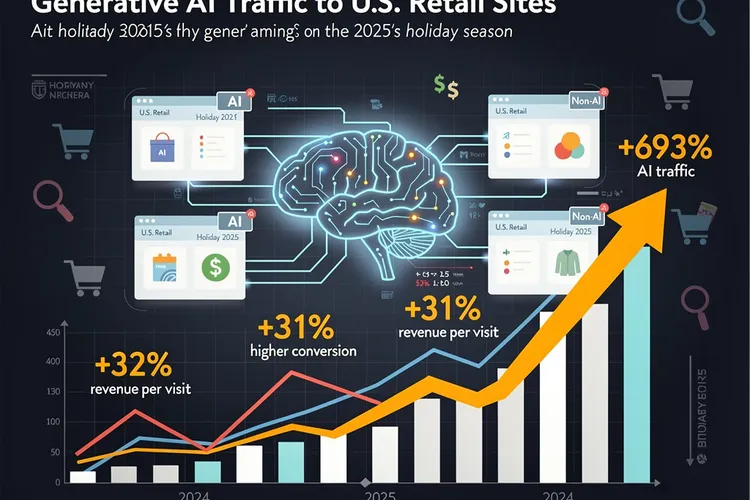
AI’s 693% Holiday Traffic Explosion: Retail’s New Commerce Frontier
Generative AI traffic to U.S. retail sites exploded 693% during 2025 holidays, converting 31% higher and driving 32% more revenue per visit than non-AI sources, Adobe data shows. This reversal from 2024 underscores AI's transformation of shopping discovery into a core revenue channel.
Advertising Marketing
Tech’s Subscription Captivity: Backlash Over Locked Features and Ownership Loss
Tech products increasingly lock core features behind subscriptions, turning ownership into "subscription captivity" for recurring revenue. From alarm clocks to cars, this shift sparks consumer backlash, regulatory scrutiny, and calls for true ownership. Ultimately, balancing innovation with consumer rights will shape the future.
Retail EcommerceRecommended
- US Lawmakers Strip Right-to-Repair from 2026 NDAA, Boosting Defense Contractors
- Amazon Prime Air Struggles: Drone Incidents, Regulations, and Rivals
- DOJ’s Appeal in Google Antitrust Case Signals Protracted Legal Battle Over Search Monopoly Remedies
- Google Launches Doppl: AI Virtual Try-Ons Transform Online Shopping
- Microsoft 365 Prices to Rise Up to 33% in 2026 Amid AI and Security Upgrades
Advertisement
author-ad-01