Author Profile
As a writer, Grace Wright covers platform engineering with an eye for detail. They work through clear frameworks, case studies, and practical checklists to make complex topics approachable. Readers appreciate their ability to connect strategic goals with everyday workflows. They also highlight cultural factors that determine whether change sticks. They examine how customer expectations evolve and how organizations adapt to meet them. Their coverage includes guidance for teams under resource or time constraints. They write about both the promise and the cost of transformation, including risks that are easy to overlook. A recurring theme in their writing is how teams build repeatable systems and measure impact over time. They value transparent sourcing and prefer primary data when it is available. They are known for dissecting tools and strategies that improve execution without adding complexity. They look for overlooked details that differentiate sustainable success from short‑term wins. They watch the policy landscape closely when it affects product strategy. They prefer evidence over hype and explain trade‑offs plainly.
The Hidden Cost of AI Innovation: When Language Models Cross Fatal Boundaries
OpenAI's GPT-4o model has been linked to multiple user deaths, exposing critical vulnerabilities in conversational AI safety protocols and raising urgent questions about corporate responsibility, regulatory frameworks, and the ethical boundaries of deploying emotionally engaging AI systems at scale.

Emerging TechThe Great Bifurcation: How Economic Pressures Are Reshaping Customer Experience Strategies for 2026
Economic uncertainty is driving companies to split customer experience strategies, offering premium services to wealthy clients while deploying AI for mass-market interactions. This bifurcation reflects fundamental changes in how businesses allocate resources amid inflation and technological advancement.
BusinessInside Google’s $4.75 Billion Power Play: How the Tech Giant Is Engineering an Energy Advantage in the AI Arms Race
Google's $4.75 billion acquisition of Intersect Power marks an unprecedented move making it the first tech giant to own a power company, potentially reshaping competitive dynamics in the AI race where electricity access has become a critical constraint.
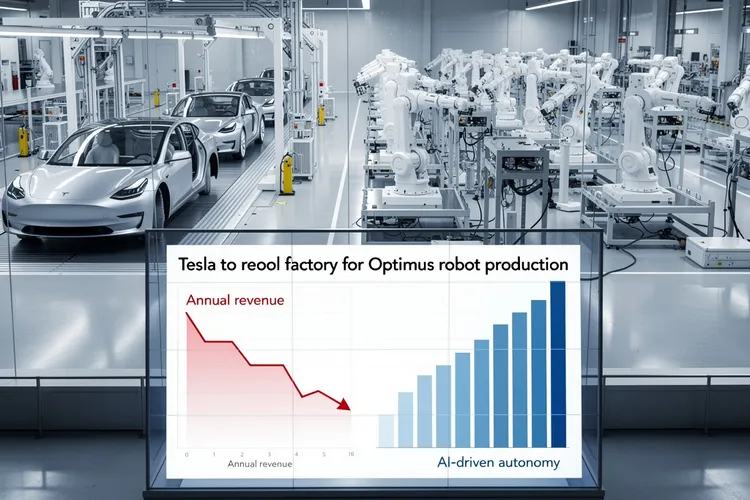
Emerging TechTesla Axes Flagships for Robot Revolution
Tesla ends Model S and X production next quarter to repurpose Fremont factory for 1 million Optimus robots yearly, amid first annual revenue drop and pivot to AI-driven autonomy.
Emerging TechOpenClaw Vulnerability Exposes AI Coding Assistants to Single-Click Remote Code Execution
The OpenClaw vulnerability in AI coding assistants enables one-click remote code execution, exposing millions of developers to sophisticated attacks. The flaw exploits trust relationships between programmers and AI tools, turning productivity enhancers into potential attack vectors with far-reaching supply chain implications.
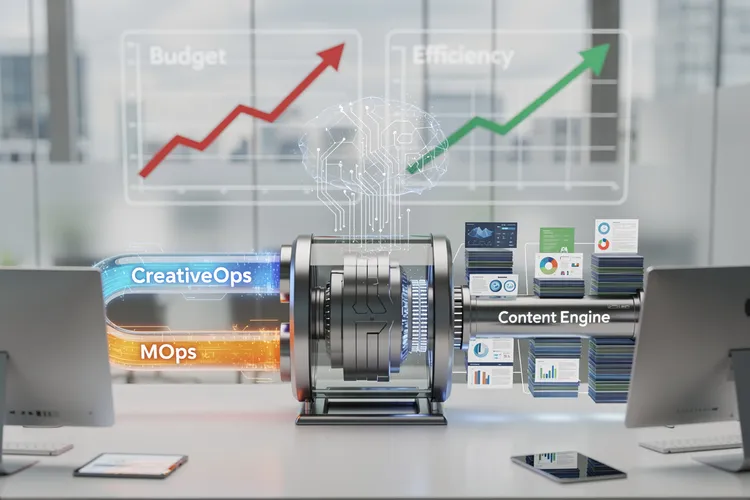
IT ManagementCMS Redefined: AI Supply Chains Reshape Content in 2026
Mark Demeny redefines CMS for 2026 as AI-orchestrated content supply chains on CMS Critic podcast. Composability and predictive tools dominate, boosting productivity while challenging traditional systems. Industry trends confirm this pivotal evolution.
Advertising MarketingDevHawk’s AI Takes the Wheel: Solving Software Teams’ Coordination Nightmares
DevHawk.ai, from Fraction's team, launches an AI agent that actively manages software projects by detecting and resolving issues in tools like Jira and Slack, born from overseeing 150+ teams.
BusinessFitbit’s Founding Duo Returns With Luffu, an AI-Driven Family Caregiving Platform That Challenges Traditional Health Tech
Fitbit co-founders James Park and Eric Friedman are launching Luffu, a self-funded AI-powered family caregiving platform currently in private testing. The venture targets the 53 million Americans providing unpaid care, addressing fragmented coordination challenges that traditional health tech has largely overlooked in favor of individual wellness tracking.
DeveloperMicron Axes Crucial Consumer RAM and SSDs for AI Shift by 2026
Micron Technology is discontinuing its consumer Crucial RAM and SSD brand by February 2026 to prioritize AI and enterprise products amid soaring memory demand. This shift exacerbates global shortages, driving up prices and leaving PC enthusiasts scrambling for alternatives. It highlights AI's dominance reshaping tech supply chains at consumers' expense.
Retail EcommerceGoogle Dismantles IPidea’s Global Proxy Network in Unprecedented Cybercrime Crackdown
Google has dismantled IPidea's massive residential proxy network, removing millions of compromised devices in an unprecedented operation. The action marks a significant shift in how tech companies combat cybercrime infrastructure, disrupting one of the world's largest networks enabling credential stuffing, fraud, and malicious activities.
IT ManagementBalaji’s Warning: Silicon Valley’s Zero Hour and Crypto’s Rise
Balaji Srinivasan predicts Silicon Valley's collapse under California's billionaire tax, with crypto protocols rising as resilient successors. Political risks and decentralization trends threaten the VC model, forcing a global tech realignment.
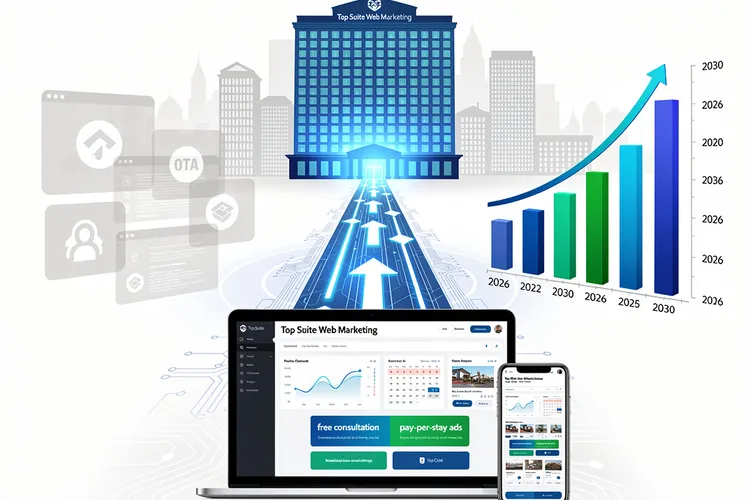
IT ManagementHotels’ Direct Booking Push: Top Suite’s Bid to Break OTA Grip in 2026
Top Suite Web Marketing's free consultations and pay-per-stay ads empower hotels to claw back OTA-dominated reservations in 2026, amid industry shifts projecting direct channels overtaking intermediaries by 2030.
BusinessRecommended
- Inside Huawei Cloud’s Bold 2026 Partner Strategy: How Data Centers Become the Cornerstone of AI Infrastructure Expansion
- Upwind’s Runtime Revolution: $250M Fuels $1.5B Cloud Security Unicorn
- Pentagon’s New Technology Chiefs Signal Major Shift in Defense Innovation Strategy
- TikTok Finalizes US Restructuring Deal with Oracle, Avoids Ban
- Finland Recruits Burned-Out US AI and Tech Talent with Visas, Better Balance
Advertisement
author-ad-01